Have you been unconsciously adding items to your cart? Or did you ever think about how certain items are packaged? You might think of packaging as just pretty colors and cool graphics; however, it goes much farther than that. Great packaging effectively gets our brain to conjure feelings associated with a product even before a person feels or touches it.
Believe it or not, there is a direct correlation between the way a product is packaged and our buying habits. In fact, research indicates that approximately 70% of purchasing decisions occur within a store, with the packaging often playing a crucial role. So the question arises: why is it that certain products attract consumers while others gather dust on the shelves?
With that in mind, strap in because this is going to be a fun ride as we tackle all the interesting bits of psychology that bring forward the effectiveness of retail packaging and address the question of what entices us to buy that shiny gadget or that seemingly harmless shampoo bottle. Let’s start.
The Role of Retail Packaging in Consumer Decision-Making
Retail packaging functions as a holder for a product and enhances the customer’s overall perception of it. Eco-friendly packaging can foster trust, while misleading packaging can cause mistrust. As consumers become more environmentally conscious, they're looking for packaging that is recyclable or reusable and honest. If a product is marked as ‘healthy’, that claim should hold true.

When consumers first open a product, the package should feel like a gift and should be easy to use and attractive. The image and perception behind the brand should also be uniform so that customers can identify it with ease. The use of premium materials can enhance the feel of the product, making it more appealing and distinctive than its rivals; this is an attribute brands can test out to see which works best. Overall, gracious packaging builds a good rapport of the product with the consumers and brings them back for more.
Understanding the Colors Used in Retail Packaging
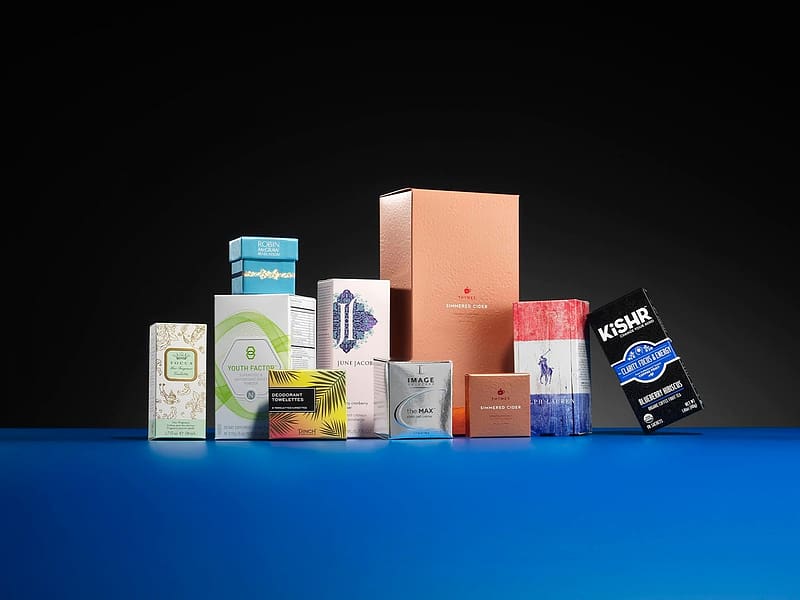
Color is said to influence one’s emotions, thoughts, and even actions. The psychology behind using colors in a package is perhaps one of the most thoroughly studied aspects of retail design. Different shades elicit varying emotions. Consider the following:
- Red: A forceful, thrilling, and captivating shade. It is commonly found in products containing food, energy, and excitement.
- Blue: Appears to be cool, dependable, and business-like. You are likely to find it among technological, medical products, and health and hygiene items.
- Green: The color of nature and health, which is friendly to the environment. All brands related to organic goods or other environmentally safe packages frequently use it.
- Yellow is regarded as a color that resembles happiness, an optimistic vibe, and grabs attention easily. Commonly found in merchandise associated with fun and games.
As Color Psychology argues, a considerable percentage of 80% can be gained the appeal of a particular product by packaging it in an appropriate color. That is the reason why companies take the necessary steps to ensure that colors that display their selected message are carefully chosen.
The Power of Typography in Retail Packaging
Typography is more than just what can be seen. It is the ability to convey a feeling. Pesky languages, just like colors, can be viewed differently through a font in a retail package, which may drastically change how you perceive the product.
Here is how typography might help you influence the retail packing.
Style for a Font:
- If a font wants to come off as powerful, a bit bold can help greatly, which is why it is used in sports drinks or energy bars.
- Serif is another font that is used amongst spears but for different reasons, as they are always gentle and have a sense of propelling tradition. This makes perfumes and fine wine a suitable combination.
- Handwritten pieces add a personal touch and softness, making them perfect for small organic and handcrafted items.
Font Size
The product and its name immediately catch your attention, with the largest font on the packaging facilitating recognition.
A large amount of space is devoted to the features, benefits, and ingredients of the product. However, the font hierarchy is a key aspect, as larger fonts can make the text difficult to read, which leaves a negative impression on the customer and the package itself.
Typography
Firstly, customers tend to trust clean and simple-to-read fonts. So, many companies are becoming a bit more cautious and using clean fonts only. However, stylised fonts can look quite creative and give off a more youthful feel, as long as they remain easy to read at a basic glance.
The Importance of Textures in Packaging

After looking into the colours and font, we will discuss the importance of texture in packaging.
- Touch Matters: If the packaging feels good to touch, it can encourage deeper interaction with the product inside.
- Luxury Packaging Materials: Businesses that target the upper end of the market frequently utilise materials like velvet and foil stamping along with embossing. Yes, it can be said that before the packaging is opened, the product’s worth can also be misleadingly enhanced by us using how thick the box is.
- Sustainable Packaging: Eco-friendly brands are more focused on using recycled materials or placing eco-friendly logos onto the packs, which encourage a feel of brand intent. For example, a brand’s devotion to going green would reflect on packaging made of recycled cardboard or biodegradable plastic, and so on.
- Practicality and Convenience: When we talk about the packaging of a product, many people might think of its aesthetics; however, it is also about the ease of using the product. Consumers love and prefer products that are easy to open or offer the ability to be resealed because it just makes life that much easier. It's a well-established fact that products that are easy to use tend to sell more effectively.
Different Textures in Packaging
- Producers of goods such as top-quality cosmetics, perfumes, and even gadgets tend to use soft-touch coatings on their products as it gives a premium tactile feel to the product. But this is rare.
- Earthy and environmentally friendly vibes are provided by rough recyclable material (paper, cardboard) widely used in organic products, artisanal products, and eco-friendly packages.
- Metallic finishes give a touch of sophistication and elegance, used in products like premium chocolates or high-end drinks.
The Role of Information on Packaging
In retailing, any information is of great importance. Consumers are interested in knowing the products, how they work, and how they are better than others. This information is to be expressed in the packaging clearly and quickly.
A product’s packaging should include:
- Brand Name: Always prominent and simple to read.
- Product Features: Concentrate on the areas that are critical.
- Instructions: instructional guides on how to use the product in an easy way.
- Sustainability Facts: Show features, if any, on ecologically friendly materials used.
But this doesn’t mean cramming every single detail into the box. A target audience's desire is as much simplicity and as much clarity as possible. Too much text on the package may cause disruption and confuse or overwhelm more than necessary, causing lost opportunities. The right amount is the needed one: a sufficient amount of information but not so much as to annoy the customer.
Law and Regulations Relating To Retail Packaging
Retail packaging entails more than just graphics and visuals but also considers legal requirements. These include requirements for labels, parameters for safety, and harm to the environment, among other requirements. Retail packaging comes with additional requirements, which include the following:
- FDA Regulations: In many industries, including food and medicine, there exists a law that addresses procedures for labeling and safety in packaging.
- Environmental Standards: There are countries that have enacted laws aimed at controlling the pollution of the environment by packaging and construction materials.
- Consumer Protection Laws: Packaging should be designed not to deceive the consumer regarding the products’ features or the benefits of the same.
Brands that choose to neglect these requirements may face legal actions, reputation issues, and also loss of customers’ faith.
Final Thoughts
Efficient brand packaging for retail involves design elements, colour selection, material procurement, necessary information addition, as well as psychology. It’s not enough that a product is simply placed aesthetically on the shelf; there has to be a bond created and trust cultivated with the consumer, and the buying experience must be delightful. And so whether you’re introducing a new product or changing an existing one, do remember to splash out on good packaging; it will probably be the greatest investment towards your success.